

For more than three decades the EBR (European Business Register) network has quietly connected business registers across Europe, enabling cross-border access to official business register information long before European Digital Single Market Initiatives.
Having served as Technical Manager of the network for several years, I had a unique opportunity to see both the strengths of the system and the evolution of registry cooperation across Europe.
At the end of March 2026, the EBR (European Business Register) network will process its last request before being shut down. Having handled millions of transactions during its life, the network leaves behind a significant legacy by proving cross-border interoperability was possible and shaping future European digital public infrastructure.
Origins of the Network
Established in 1992, EBR was a collaboration between several European business registries including Companies House (UK), Kamer van Koophandel (NL), Danish Business Registry (DK), and InfoCamere (IT). The founding registries were among the first to digitise company data and collaborate with cross-border data exchange.
The early versions of EBR employed peer-to-peer technology which was replaced by a hub and spoke API (Application Programming Interface) model in the early 2000’s as part of the BRITE (Business Register Interoperability Throughout Europe) project, funded by the European Commission.
Throughout the 2000’s the EBR network continued to be improved with additional functionality added, including the CNI (Central Names Index) which allowed rapid company search across all registries.
The European Business Registry Association (EBRA) became the custodian of the EBR network when it was formed in January 2019 through the coalition of the European Business Register (EBR) and the European Commerce Registers’ Forum (ECRF).

How EBR worked
The EBR network employed a distributed hub and spoke architecture and use of API’s to move data around the network. Each participant registry had a gateway that allowed the EBR network access to registry data. Each registry could then request data from the network or process requests from other registries.
One of the biggest achievements of EBR was the establishment of data standards regarding registered company information. The data standards were implemented using an agreed categorisation, known as the EBR ontology.
Leveraging this ontology meant that EBR could act as a broker offering standardised business registry information directly from the source registry to the end user in multiple languages. This made EBR a very valuable tool in KYC (Know Your Customer) processes which required official registry data.
What EBR achieved
EBR was the first operational cross-border interconnection network for business registers. One of the core objectives of EBR was to advance and support the EU single market by promoting business transparency. EBR achieved this objective by making official registry information available to the public from a single access point. At it’s peak the EBR network had 27 registries connected, meaning that consumers of business registry data could collect data from 27 registries from a single connection point.
The simplicity of the EBR network, coupled with the increasing demand for business registry data due to evolving AML (Anti Money Laundering) legislation, meant that EBR remained a popular source of official registry data until it closed.
EBR achieved significant technical advancement for its participants which ultimately paved the way for future interconnection platforms, such as BRIS (Business Registry Interconnection System) and BORIS (Beneficial Ownership Registry Interconnection System) that every business register in Europe is using today.
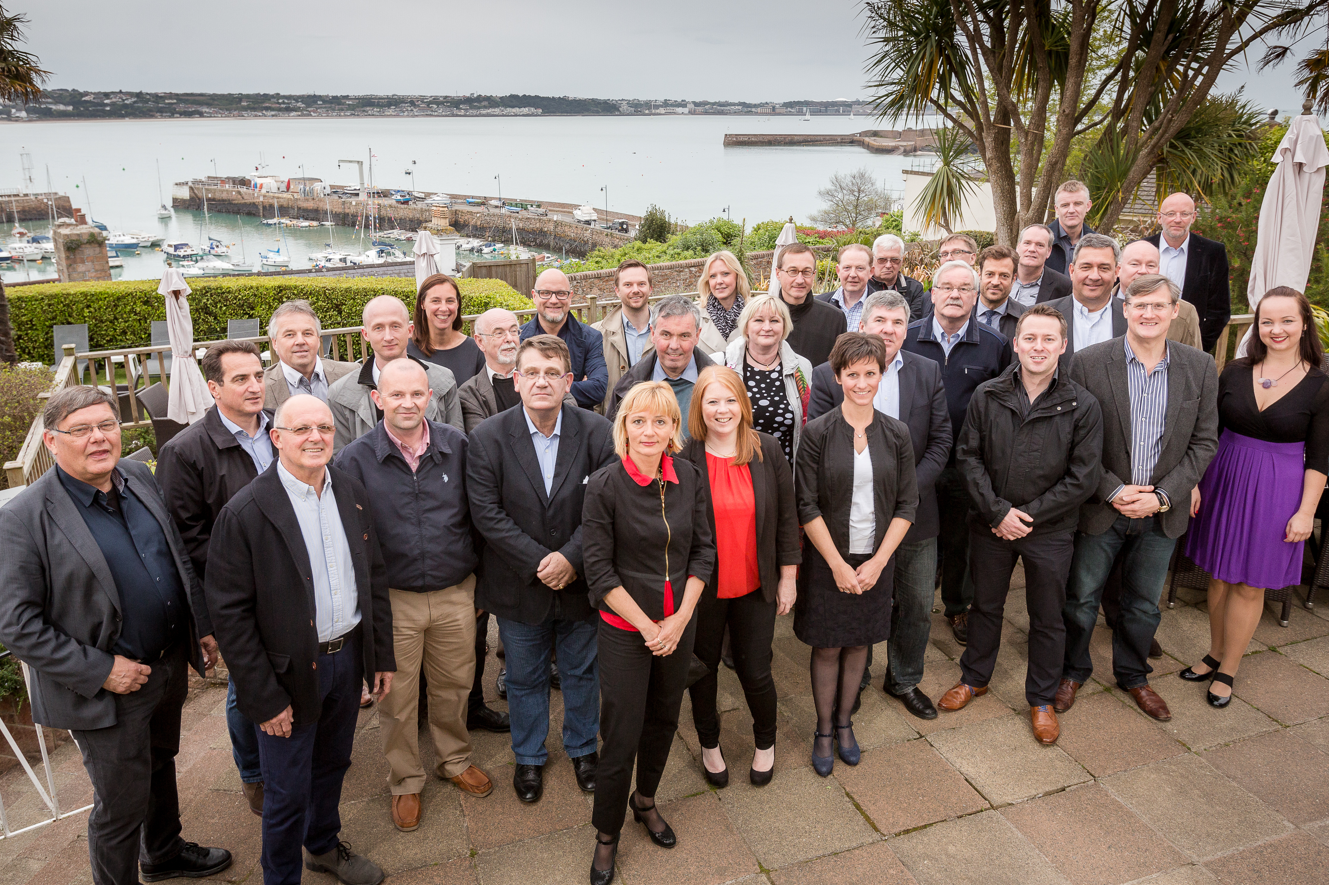
I believe EBR’s biggest achievement was the establishment of a collaborative community of business registers that continues working together today. The relationships created within this community further progress the objectives of EBRA and bring a gravitas to conversations related to future developments within the business register space.
Why is the network closing?
The future of the EBR network was a long-debated topic within EBRA. Ultimately the closure is not the result of failure but rather a reflection of how the European registry landscape has evolved.
During the last decade EU legislation has established the formal interconnection systems BRIS and BORIS, which EBR was instrumental in designing. These systems are legally mandated across member states.
At the same time, the technology underpinning the EBR network reflects an earlier generation of interoperability solutions. While highly effective in its time, maintaining and evolving the platform alongside modern, API-driven infrastructures has become increasingly challenging.
In this context, the closure of EBR represents a natural transition. The network has fulfilled its role as a pioneer of cross-border registry cooperation and, in doing so, has helped lay the foundations for the modern European systems that succeed it.
Final Thoughts
It’s important to acknowledge the many individuals and organisations that contributed to EBR over its lifetime. An extraordinary amount of work has gone into building and sustaining the network. It stands as a testament to the business registry community and has fostered a collaborative spirit that continues to this day.
While the EBR network itself is coming to an end, the community it helped to build remains as strong and active as ever. Through EBRA and its members, that spirit of cooperation continues to drive new initiatives, embrace modern technologies, and shape the future of registry services.